+1 (226) 337-9660

 English
Search

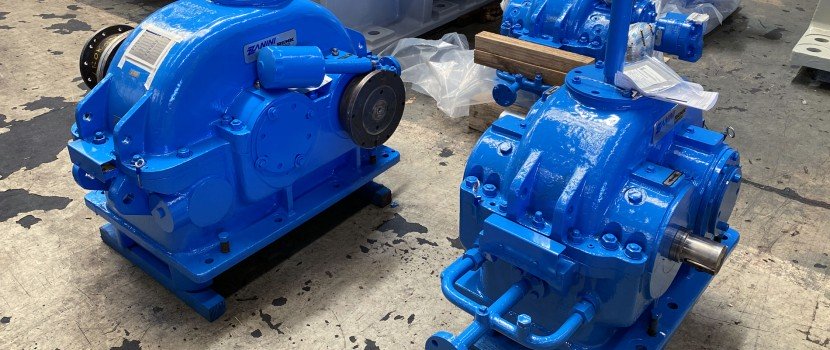
A geared motor combines the power of an electric motor with a gearbox into a single integrated unit. This configuration allows the system to reduce speed while increasing torque within a compact drive assembly.
Also known as a gear motor or electric geared motor, this integrated motor and gearbox design is widely used in applications that require simplified installation and reduced footprint, such as conveyors, elevators, and automation systems.
Since a geared motor consists of an electric motor with gearbox integrated into one housing, the internal gear set is designed to reduce the motor’s high input speed to the desired output speed while increasing torque.
This speed reduction and torque amplification process is essential in many industrial applications where precise motion control and the ability to move, lift, or push loads are required.
The process occurs inside the gearbox, where gears of different sizes interact to convert speed into force, ensuring smooth and reliable operation.
A speed reducer, on the other hand, is a standalone mechanical device designed to adjust speed and torque by adapting the mechanical energy of an existing motor. Unlike a geared motor, a speed reducer also referred to as a gear reducer or industrial speed reducer does not include an integrated motor. It functions as a power transmission component, allowing greater flexibility in system configuration.
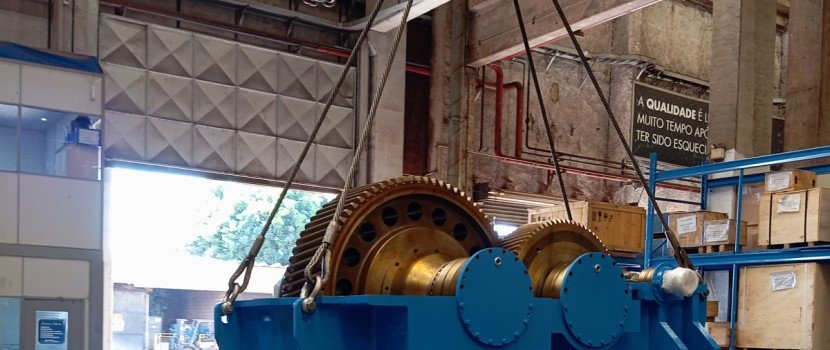
A speed reducer increases output torque while reducing the motor’s input speed, ensuring controlled output performance. Through its internal gears, the speed reducer modifies the relationship between speed and force. Because the output gear has more teeth than the input gear, it rotates more slowly, resulting in speed reduction and torque multiplication.
The comparison between geared motor vs speed reducer lies primarily in system architecture and flexibility.
A geared motor integrates the electric motor and gearbox into a single compact unit. Its main advantages include:
However, this integration limits customization. Speed variations and motor selection options are more restricted, and system overload may affect both the motor and gearbox simultaneously.
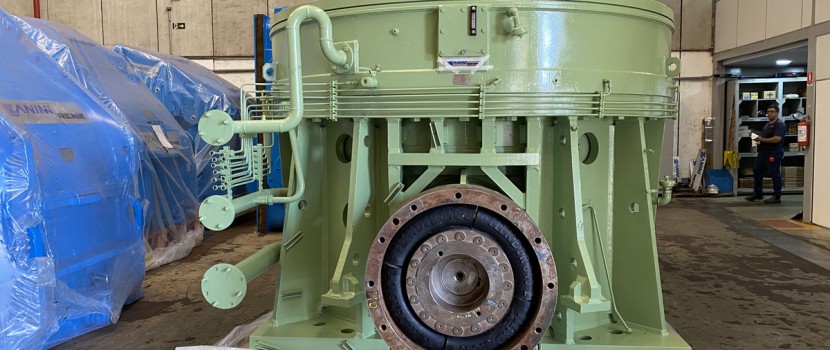
A speed reducer is a standalone gearbox designed exclusively to reduce rotational speed and increase torque.
Its advantages include:
Because it uses separate drive components, the speed reducer allows tailored power transmission architecture based on specific industrial requirements.
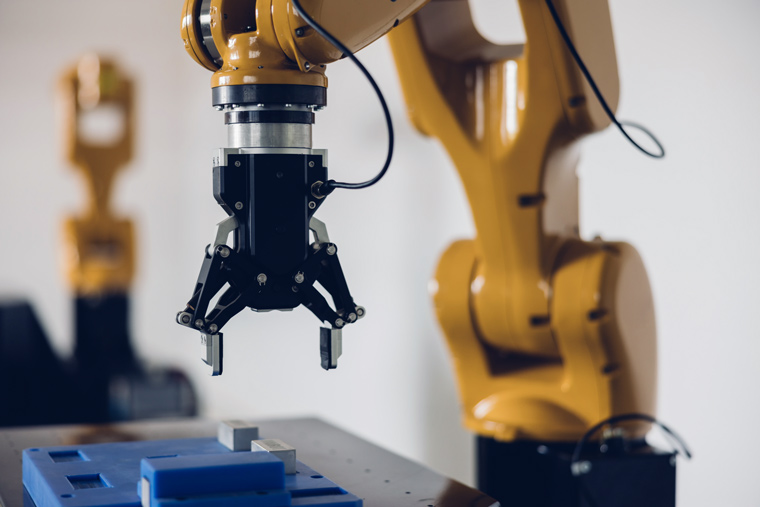
Geared motors are recommended when space is limited and a compact design is required. Typical applications include:
Their integrated motor and gearbox configuration simplifies installation and reduces engineering complexity.
Speed reducers are ideal when flexibility and high torque capacity are required, especially in heavy industrial environments.
Typical applications include:
Because the industrial gearbox is separate from the motor, it allows custom motor selection and optimized torque capacity for high-torque applications and continuous duty operation.
Both geared motors and speed reducers are widely used in industrial applications, each designed to meet specific operational requirements.
A geared motor is best suited for compact systems requiring simplified installation and predefined configurations. A speed reducer, as a standalone gearbox, offers greater flexibility, modular configuration, and suitability for heavy-duty and high torque applications.
Choosing between a geared motor and a speed reducer depends on factors such as available space, required torque capacity, reduction ratio, system configuration, and overall performance specifications.
When in doubt, consulting a specialist ensures the correct selection based on technical requirements and environmental conditions.