+1 (226) 337-9660

 English
Search

There are several types of speed reducers, including planetary, helical, bevel, and cycloidal designs. Each type has unique characteristics that affect torque capacity, compact design, and transmission efficiency, making them suitable for different industrial applications.
Below, learn about the main types of speed reducers, their key features, and typical applications to help you choose the best solution for your industry.
Speed reducers, also known as gear reducers or torque multipliers, are mechanical components whose primary function is to reduce motor speed while increasing output torque. This allows machines and industrial equipment to operate more efficiently and handle heavier loads.
Speed reducers reduce motor speed and increase torque through a system of gears with different sizes.
The motor transmits power to the speed reducer, where smaller input gears rotate at high speed and transfer motion to larger output gears. Because the output gear has more teeth, it rotates more slowly, resulting in higher output torque. This allows the connected equipment to operate efficiently even at low RPM.
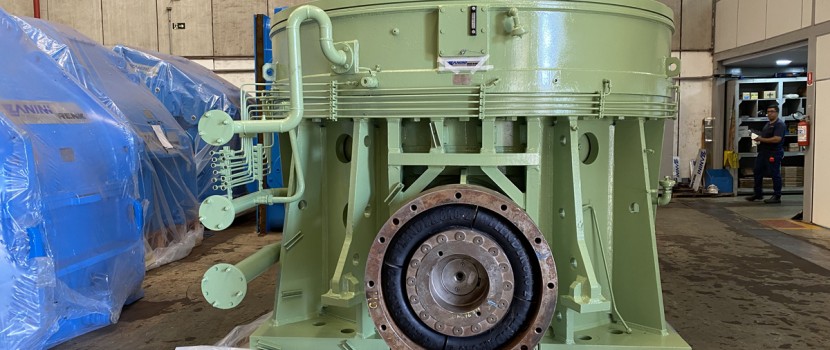
Planetary speed reducers are characterized by a gear system in which multiple planet gears rotate around a central sun gear. This configuration provides high torque density, excellent load distribution, and high transmission efficiency, while maintaining a compact design.
Applications of Planetary speed reducers
Discover the Revolution Planetary gearbox by Zanini Renk, featuring the highest torque density on the market.
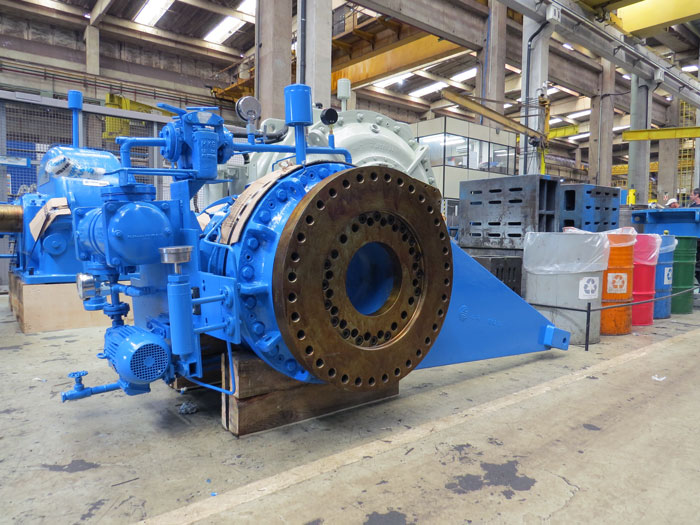
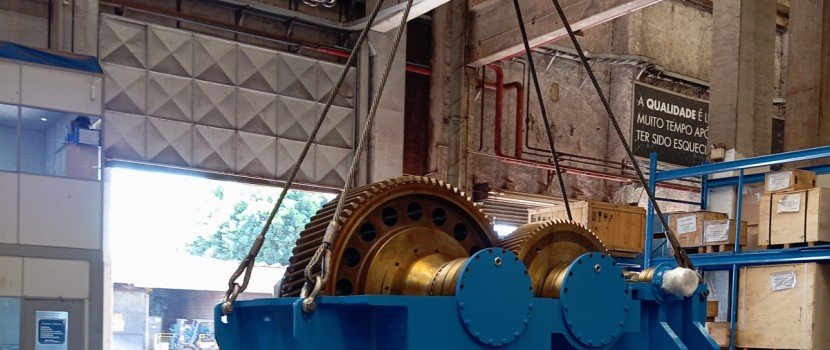
Helical speed reducers use helical gears, which provide smoother and quieter operation. They can transmit torque between parallel shafts or at angles, offering high load capacity and excellent efficiency.
Applications of Helical Speed Reducers
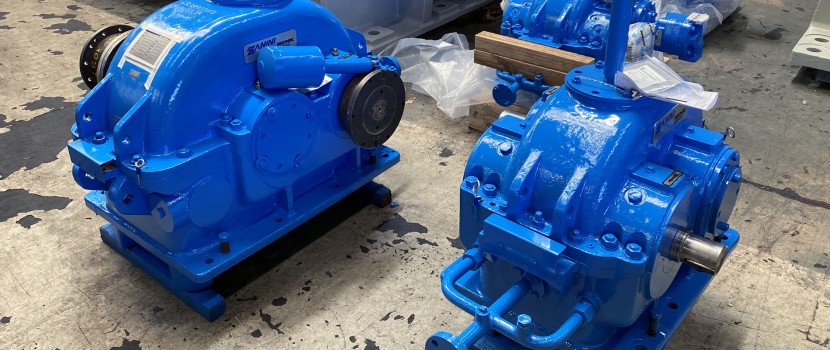
The RSG (Standardized Speed Reducers) from Zanini Renk feature helical gears and are ideal for a wide range of industrial applications.
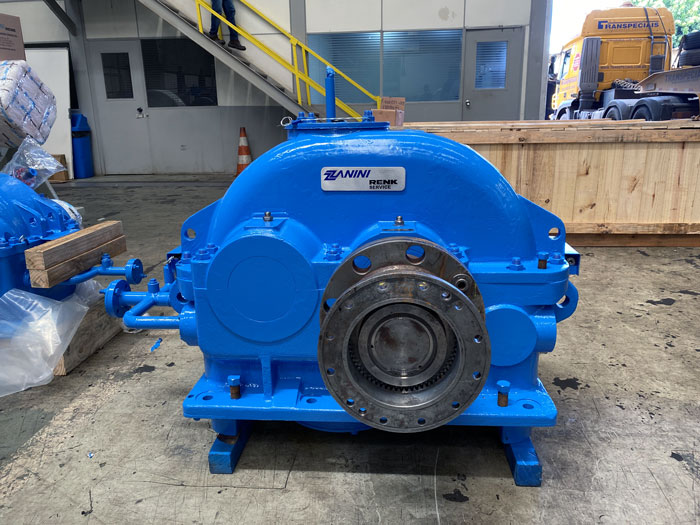
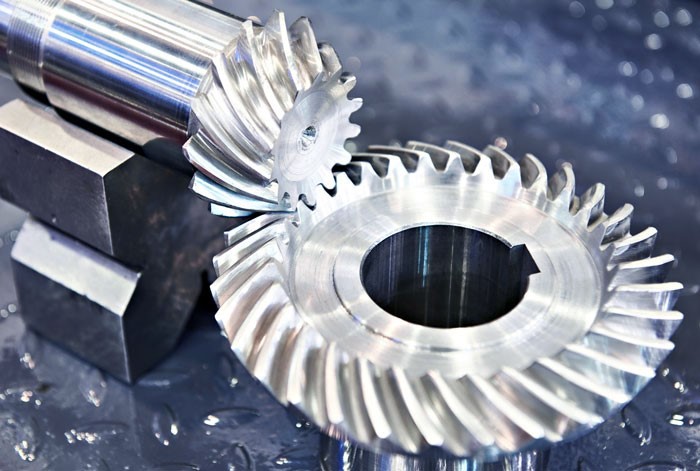
Bevel speed reducers are designed to transmit torque at an angle, typically 90 degrees, between the input and output shafts. Their bevel gears ensure efficient power transmission and high reliability in right-angle configurations.
Applications of Bevel Speed Reducers
Bevel speed reducers are widely used in heavy-duty equipment such as:
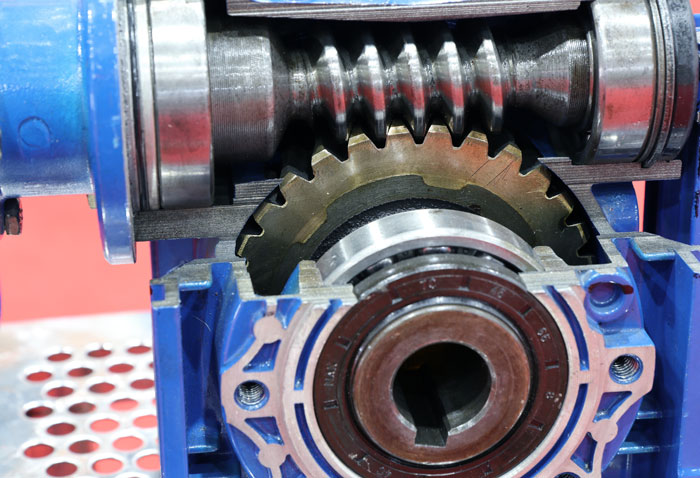
Worm speed reducers, also known as worm gear reducers, consist of a worm gear and a worm wheel (crown wheel). Due to their high friction characteristics, they offer self-locking capability, preventing reverse motion and enhancing operational safety.
Applications of Worm Speed Reducers
Worm speed reducers are used in applications that require precise positioning and high torque, such as:
When selecting the ideal speed reducer for your application, consider the following factors:
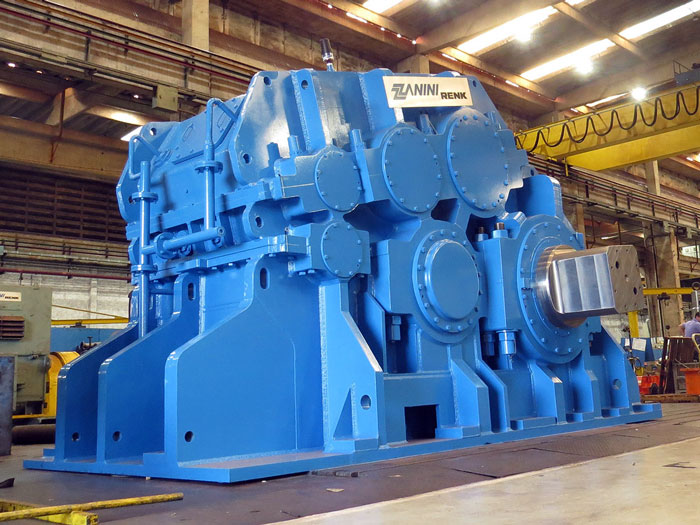
Choosing a speed reducer from a trusted manufacturer makes all the difference. With over 40 years of experience, Zanini Renk stands out in the market by offering high-torque speed reducers that combine innovative technology, premium materials, and high-precision machining.
Explore the complete line of speed reducers from Zanini Renk and rely on the expertise of a company with a proven track record.