+1 (226) 337-9660

 English
Search

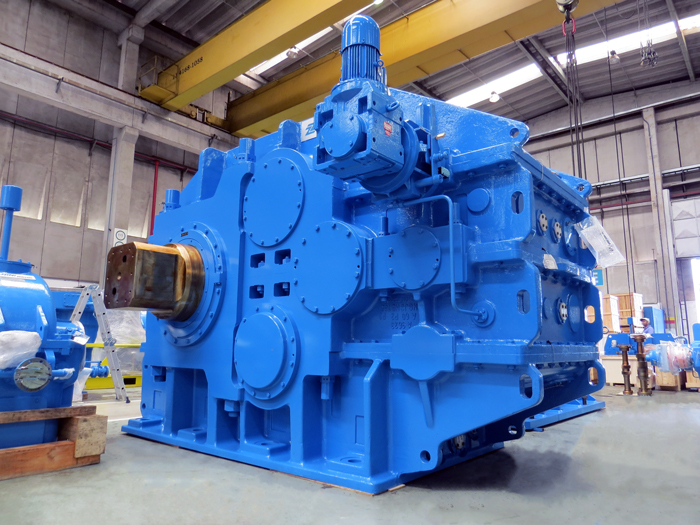
A speed reducer is a mechanical device designed to reduce motor rotation while increasing torque, allowing machines to operate at the ideal power and speed for their specific functions. It uses a gear set to transfer energy efficiently, adapting force to the demands of different industrial applications.
Industrial speed reducers are the backbone of countless operations, from power generation to food processing. The precision a speed reducer provides, along with its ability to transform raw energy into controlled motion is essential for complex and delicate machine operations.
In this article, we explore how speed reducers work and their applications across industries.
A speed reducer is a mechanical device used to decrease motor speed while increasing torque. This ensures machinery operates at the appropriate speed and force required for its application. Its function improves overall motor performance. A simple analogy is a bicycle gear system: reducing speed increases torque and control.
Speed reducers optimize performance and energy efficiency by regulating motor speed with minimal energy loss. There are several types of industrial speed reducers for specific uses. Whether using spur gears, helical gears, or bevel gears, these systems can be configured with parallel shafts, right-angle arrangements, or coaxial designs to meet application requirements.
To control torque and speed, speed reducers operate according to fundamental mechanical principles:
The primary function of a speed reducer is to increase the torque supplied by the power source. This is achieved through a gear set that multiplies force without changing total power output.
As the name suggests, speed reducers reduce input speed to deliver a controlled and application-appropriate output speed. The output gear having more teeth than the input gear rotates more slowly, resulting in reduced speed and amplified torque.
The reduction ratio determines how energy is transferred and transformed within the gear reducer. It is calculated based on gear size and number of teeth. For example, a 2:1 ratio means the output gear rotates at half the speed of the input gear.
Speed reducers are widely used across industrial sectors:
These are just a few examples the use of speed reducers extends across numerous additional industries.
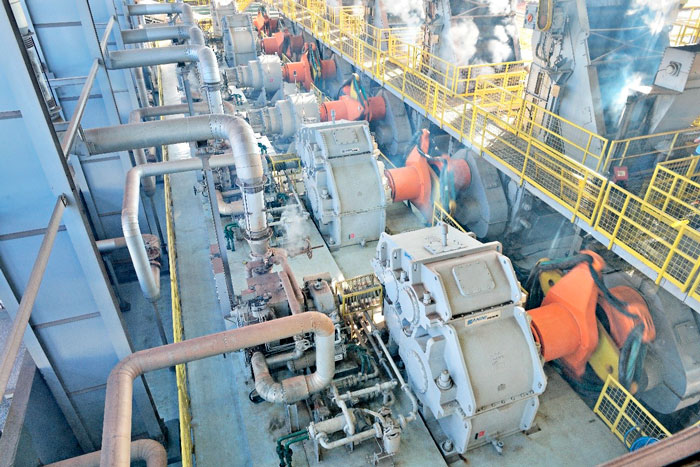
Selecting the appropriate speed reducer depends on performance requirements. Key factors include:
For example, in robotics, planetary or cycloidal gear reducers are preferred for their precision and ability to handle high torque loads. In other sectors, different types may be more suitable depending on speed, space constraints, and load requirements.
Speed reducers contribute to increased productivity and lower maintenance costs. They are engineered to meet the demands of harsh industrial environments with maximum efficiency.
See more advantages of speed reducers:
A speed reducer allows the use of smaller motors to achieve the required output. By increasing torque, a smaller motor can perform tasks that would otherwise require higher power. This reduces initial investment and long-term operating costs.
In overload situations, the speed reducer absorbs the initial impact, protecting the motor from damage. This extends motor life and reduces maintenance frequency.
Without a speed reducer, a motor may operate at higher speeds to generate required torque, increasing energy consumption and heat. A speed reducer maintains the motor within its optimal efficiency range, minimizing energy use and overheating risk.
A speed reducer provides precise control over machine operation. This improves safety in processes requiring high accuracy and reduces the risk of accidents.
An industrial speed reducer requires proper maintenance to sustain performance and prevent unexpected downtime. Maintenance is a strategic activity that increases equipment lifespan and ensures compliance with safety standards.
There are two primary maintenance approaches:
Among these, preventive maintenance is the most effective strategy to avoid production downtime and financial losses. Regular inspections also contribute to operational sustainability by reducing frequent equipment replacement.
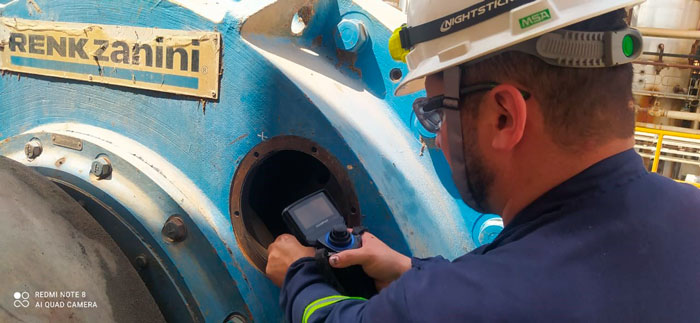
Partnering with specialized service providers ensures proper maintenance. Zanini Renk has nearly 50 years of experience and a highly qualified team capable of servicing speed reducers of all brands.
Discover the Zanini Renk speed reducer portfolio, designed to meet the specific needs of diverse industrial sectors.
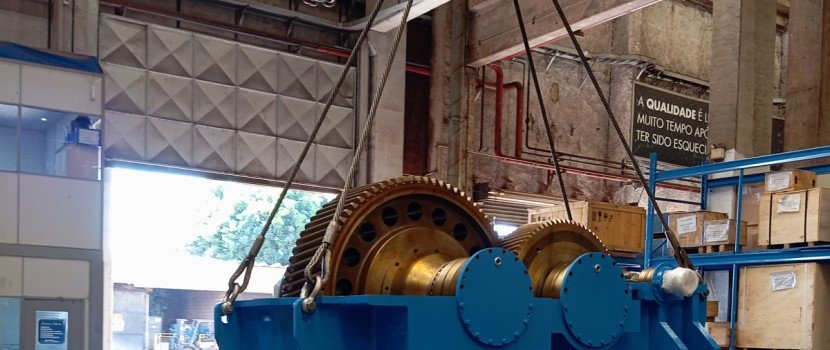
Patented by Zanini Renk and developed specifically for sugarcane milling, Torqmax is recognized for reliability and superior torque transmission capacity, low noise levels, reduced maintenance costs, and extended service life. More than 500 units have been operating for nearly 30 years in mills across the Americas.
The Duomax speed reducer provides a robust dual-drive solution designed to optimize milling efficiency in sugar plants.
The Revolution is a modern planetary gearbox known for its lightweight, compact design and high torque density. It is an excellent choice for robotic and automation systems requiring precision and efficiency.
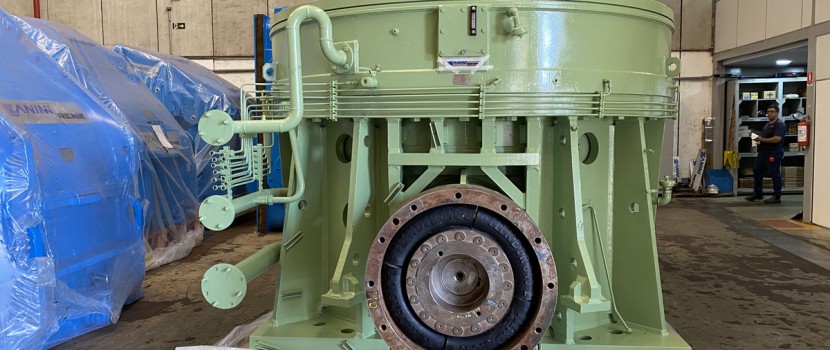
Designed for cement and mining industries, Vertidrive stands out for versatility and performance in demanding environments.
Also used in cement and mining sectors, Combidrive is known for efficiency and adaptability across industrial contexts.
Focused on thermal power generation, these industrial gear drives are engineered for high performance and durability in energy production applications.
Zanini Renk is a leading manufacturer of speed reducers, developing equipment with advanced engineering and precision manufacturing to ensure performance, efficiency, and reliability across industrial applications.
Contact our team to learn more.