+1 (226) 337-9660

 English
Search

As the world’s largest sugar producer and exporter, Brazil has been exploring the potential of sugarcane to produce sustainable plastics.
Biodegradable plastics have properties very similar to those of conventional plastics, with one major difference: when exposed to the environment, they dissolve and break down into harmless minerals, thanks to the action of microorganisms such as bacteria, fungi, and algae.
While conventional plastic takes hundreds of years to decompose, biodegradable plastic breaks down in a significantly shorter time and, under specific conditions, turns into water, carbon dioxide (or methane), and biomass.
The decomposition of biodegradable plastics is influenced by environmental factors such as UV radiation, oxygen, heat, wind, and the presence of bacteria. These factors cause small cracks and surface erosion in the material, which eventually leads to its disintegration.
It is a chemical and biological process: the surface of the plastic interacts with enzymes secreted by microorganisms in the environment, which break the material down into molecular fragments that these organisms then digest. The rate of biodegradation depends on environmental conditions.
To find out whether a plastic is truly biodegradable, look at a few criteria:
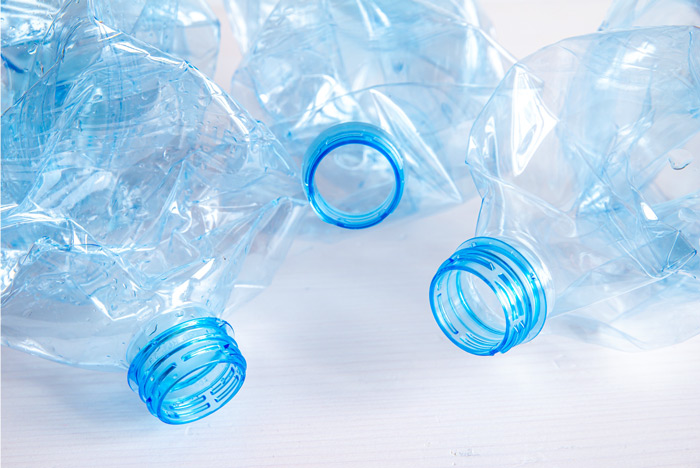
Several terms are associated with sustainable plastics: bio-based plastics, oxo-biodegradable plastics, and compostable plastics. Here is how they differ:
No. Biodegradable plastics are those that can fully decompose under favorable environmental conditions, and they can be made from either petrochemical or biological sources. Bioplastics, on the other hand, are necessarily produced from biological sources, but they are not always biodegradable.
Sugarcane has great potential for producing sustainable plastics. So-called "green plastic" already exists: it is polyethylene produced from ethanol. Although it is fully recyclable, it is not considered biodegradable.
At the same time, there is growing interest in developing biodegradable options from sugarcane. Earth Renewable Technologies (ERT), an American startup, has partnered with the Federal University of Paraná to produce biodegradable plastic by fermenting sugarcane together with other organic materials. The company currently runs a factory in Curitiba, in southern Brazil, and 40% of its output supplies the Brazilian market.
Unlike conventional processes, ERT uses sugarcane bagasse, an abundant byproduct of Brazilian agribusiness, to produce PLA (polylactic acid) bioplastic. This approach reduces production costs and lowers greenhouse gas (GHG) emissions, making the process both greener and more economically viable.
These bioplastics are biodegradable, which means that, unlike green plastic, they can decompose in the environment without leaving toxic residues. Under suitable composting conditions, with heat, humidity, and the presence of microorganisms, they fully decompose within 180 days.
The material also combines the functional properties of traditional plastics with the added advantage of being environmentally friendly. It can be used in a range of applications, such as bags, forks, cups, straws, and packaging, offering a sustainable alternative that does not linger in the environment for long periods.
Brazil is the world’s largest sugarcane producer, which gives it a major advantage in making bioplastics from this raw material. The abundant supply of sugarcane in the country ensures a renewable and sustainable source of biomass for large-scale bioplastic production. This reduces dependence on fossil raw materials and contributes to a greener, more sustainable economy.
The arrival of bioplastics and biodegradable plastics is a promising way to mitigate the environmental problems caused by conventional plastics. Biodegradable plastic made from sugarcane is especially interesting in Brazil, a major producer of this raw material: using bagasse to make bioplastic gives this residue a better destination than, for example, burning it.
Despite their benefits, however, biodegradable plastics are not a definitive solution to the waste problem. If they are disposed of improperly, these materials can still have a negative environmental impact.
That is why it is essential to build adequate infrastructure for the disposal and composting of biodegradable and compostable plastics. This includes:
Sources (in Portuguese):