+1 (226) 337-9660

 English
Search

Across the world, countries have been debating and adopting different strategies to address climate change, which threatens public well-being and the balance of the planet. In this context, the energy sector plays a central role, since energy sources are responsible for a large share of greenhouse gas (GHG) emissions. The energy transition emerges as a solution to this reality, diversifying the global energy mix and reducing environmental impacts. Read on below.
The energy transition is the gradual process of shifting from the predominant use of fossil energy sources, such as coal and oil, to clean and renewable alternatives, such as solar, wind, and biomass. More than simply replacing energy sources, this process involves adopting more efficient practices and creating a resilient, sustainable energy system prepared for future challenges.
The main objective of the energy transition is to reduce dependence on fossil fuels, minimizing greenhouse gas emissions and, consequently, mitigating the effects of climate change. This process aims to promote sustainability, increase energy security, and foster innovation and the development of cleaner, more efficient technologies.
The energy transition has been discussed globally as an important tool to combat climate change, which threatens biodiversity, food security, and economic stability.
It is also a way to diversify and decentralize the energy mix, reducing risks associated with dependence on only a few sources, such as geopolitical conflicts and supply chain problems.
It is a system much better prepared to meet the growing demand for energy driven by population growth, without depleting the planet's natural resources.
For consumers, the energy transition brings changes that affect everything from how energy is generated to the cost and reliability of supply. This may raise concerns about possible increases in electricity bills and creates the expectation that governments and companies will lead this process, ensuring a fair and accessible transition.
This includes actions such as expanding access to renewable technologies, creating policies that minimize financial impacts on families, and offering education and training programs aimed at the new demands of the energy sector.
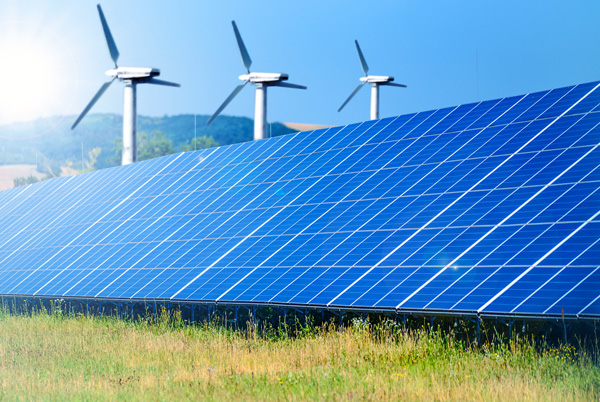
The energy transition is a process that involves several strategies to reduce dependence on fossil fuels and requires collaboration among governments, companies, and communities. Here are some of the main strategies:
This is the central axis of the energy transition process and involves the progressive reduction of carbon emissions across several sectors. It includes replacing coal and optimizing oil and gas extraction and production processes.
Electrification replaces fossil fuels with electricity generated from renewable sources. Good examples of electrification in the energy transition include electric cars and the implementation of electrical systems in industries and buildings. This strategy also plays an important role in the decarbonization process.
The foundation of the energy transition lies in the use of renewable energy sources such as solar, wind, and biomass, which offer reduced emissions and long-term sustainability, since they are inexhaustible and have a lower environmental impact.
The use of technologies to digitalize and modernize energy supply helps make it more efficient, reducing losses and ensuring greater integration between production and consumption. Some alternatives include smart grids, management systems, and digital platforms.
Energy efficiency refers to the optimized use of energy, which helps reduce waste, lower operating costs, and contribute to climate goals. This can be achieved through equipment modernization and the use of advanced technologies to optimize industrial processes, which account for a significant share of global energy consumption.
The energy transition is a global objective, but its implementation varies according to each country's natural resources, public policies, and investment capacity. The Energy Transition Index (ETI) 2024, from the World Economic Forum, evaluates 120 nations based on indicators such as energy system performance and transition readiness.
The Nordic countries are at the top of the ranking due to energy efficiency and the integrated use of renewable sources:
Although emerging economies tend to score lower on the index, several have shown important progress, such as Brazil, which has posted notable advances, and China, which leads in the growth of technologies such as batteries, electric vehicles (EVs), and high-voltage transmission lines. The country invests 9% of its GDP in renewable energy, the highest proportion in the world.
The performance gap between advanced and emerging economies is narrowing, which indicates important progress in the global energy transition. However, challenges related to regulation, investment, and accessibility remain.
Europe is one of the main references in the energy transition, alongside Latin America, and leads initiatives to reduce carbon emissions, diversify energy sources, and improve energy efficiency.
The European Union is at the forefront of strategies that combine energy efficiency, electrification, and the use of clean technologies, with the goal of achieving carbon neutrality by 2050. These countries approach the energy transition in a comprehensive way, combining climate and energy policies with digitalization and market integration. This approach promotes an efficient energy system with connected and competitive infrastructure.