+1 (226) 337-9660

 English
Search

Mining is an activity traditionally associated with negative environmental impacts. However, with technological advances and the growing importance of sustainability, new practices have been incorporated into this activity.
Mining has been seen with new eyes. More modern, responsible, and sustainable practices have been transforming the activity, making it less harmful to the environment.
This is where the concept of sustainable mining comes in.
Mining accounts for approximately 4% of Brazil's GDP. Minerals are used in virtually all industries, making it an essential activity for socioeconomic development. In addition, the sector employs around 2.25 million people across the supply chain.
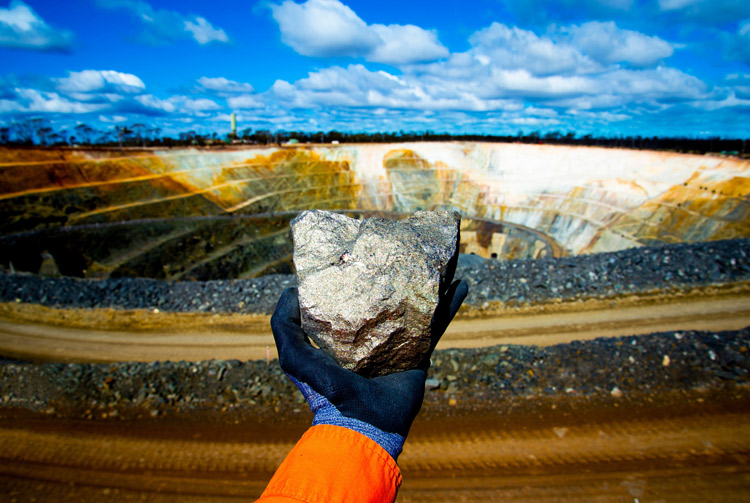
The positive aspects of mining include job creation, contribution to GDP and the country's overall economy, the use of minerals in other industries, societal development, and exports. All of this makes mining a highly relevant economic activity in Brazil.
The negative aspects of the activity relate to deforestation, destruction of fauna and flora, water contamination, and gas emissions into the atmosphere.
That is why the pursuit of sustainable mining is an alternative to ensure the country's socioeconomic development does not come at a high environmental cost.
By adopting practices that minimize environmental damage and promote the recovery of affected areas. This includes proper waste management, resource reuse, water savings, use of renewable energy sources, and site rehabilitation.
The use of advanced technologies has been transforming mining into a safer, more efficient, and less environmentally harmful activity.
Furthermore, when it comes to mining and sustainability, it is necessary to involve the community in decision-making. Their rights and social well-being must be prioritized.
For this reason, the formulation of policies and practices focused on social justice is part of the movement for sustainable mining.
It is the replacement and optimization of traditional techniques with less harmful alternatives, such as replacing coal-based energy sources with renewable ones.
This change allows the activity to significantly reduce its carbon footprint.
Some strategies that can help reduce mining impacts include: reusing tailings, minimizing water use, and neutralizing carbon emissions into the atmosphere.
Technological development has contributed to achieving these goals. Automation and digitalization, for example, can increase mining efficiency, reducing its environmental impact while making the entire process safer.
Sustainable mining also encompasses programs to recover affected areas, focused on preserving biodiversity and protecting species. These programs go beyond the areas affected by mining, expanding to other areas that may be under threat.
Considering the importance of respecting our planet's limits, we understand that sustainable alternatives must be pursued in all industrial practices. The mining sector is very important for the Brazilian economy and must also seek the balance between resource extraction and environmental protection.
Well-structured public policies combined with corporate commitment to sustainability are the foundations for shaping a greener future.
At Zanini Renk, we understand the importance of sustainable practices and are dedicated to developing high-quality, energy-efficient technologies, ensuring a more sustainable process in industry.
Discover the speed reducer for mining: RSG for mining by Zanini Renk.