+1 (226) 337-9660

 English
Search

Small hydropower plants (SHPs) are small-scale hydropower generation facilities. Powered by water flow energy, they can be installed on medium-sized rivers and are considered alternative sources of renewable energy. Their power output ranges from 5 to 30 MW.
Despite their reduced capacity, their impact and importance for the national energy mix is significant, as this type of hydropower facility accounts for approximately 3.5% of the installed capacity of Brazil's national power system.
A small hydropower plant works by converting the kinetic energy of water into electrical energy. Water is directed through hydraulic turbines connected to electric generators, which convert the movement into electricity.
The process is very similar to how a large hydroelectric power plant operates, but on a smaller scale.
There are three types of SHPs, classified according to water flow management and energy storage: run-of-river hydropower plants, SHPs with monthly regulation reservoirs, and SHPs with daily regulation reservoirs.
These SHPs operate using the natural flow of the river, and their hydropower generation capacity is influenced by hydrological conditions. They have a reservoir, but it functions only to divert water to the turbines.
Since they do not require a large water storage reservoir, this type of SHP has a lower environmental impact, making it a form of low environmental impact hydropower.
SHPs with monthly and daily regulation reservoirs store water to regulate energy generation. The difference between them is that daily regulation stores enough water to regulate power generation throughout a single day, while monthly regulation bases its storage on a full month's cycle.
SHPs are facilities with low environmental impact, have a faster construction time, and contribute to river cleanliness by removing floating debris. The energy generated by an SHP is less polluting and cleaner compared to other renewable energy sources.
Because they are smaller, they can be installed in locations that would not be viable for large hydroelectric plants. This contributes to improved energy distribution to remote and less developed regions, strengthening the power grid integration in these areas.
The disadvantages of SHPs include the high initial investment cost and difficulties related to the environmental licensing process. Although they have a lower environmental impact, they are not exempt from affecting local fauna and flora, which requires careful planning of the entire process.
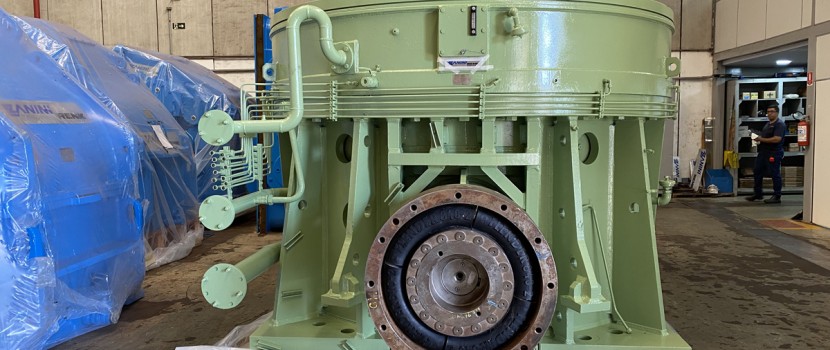
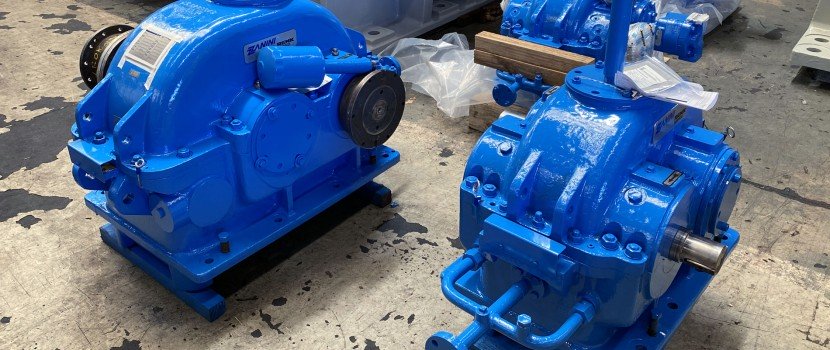
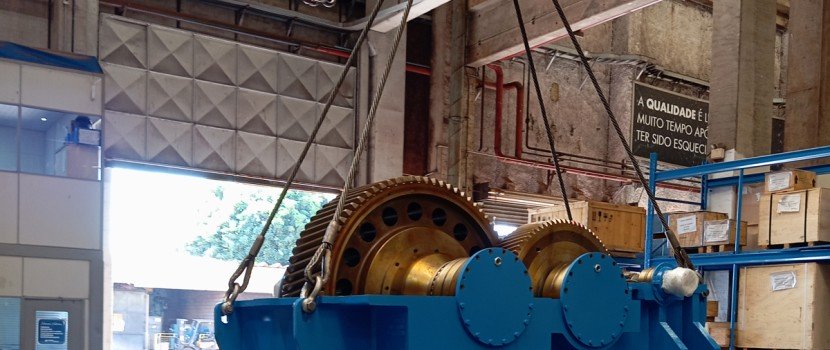
The use of advanced technologies such as Zanini Renk speed increasers improves energy generation efficiency and contributes to the sustainability of these facilities.
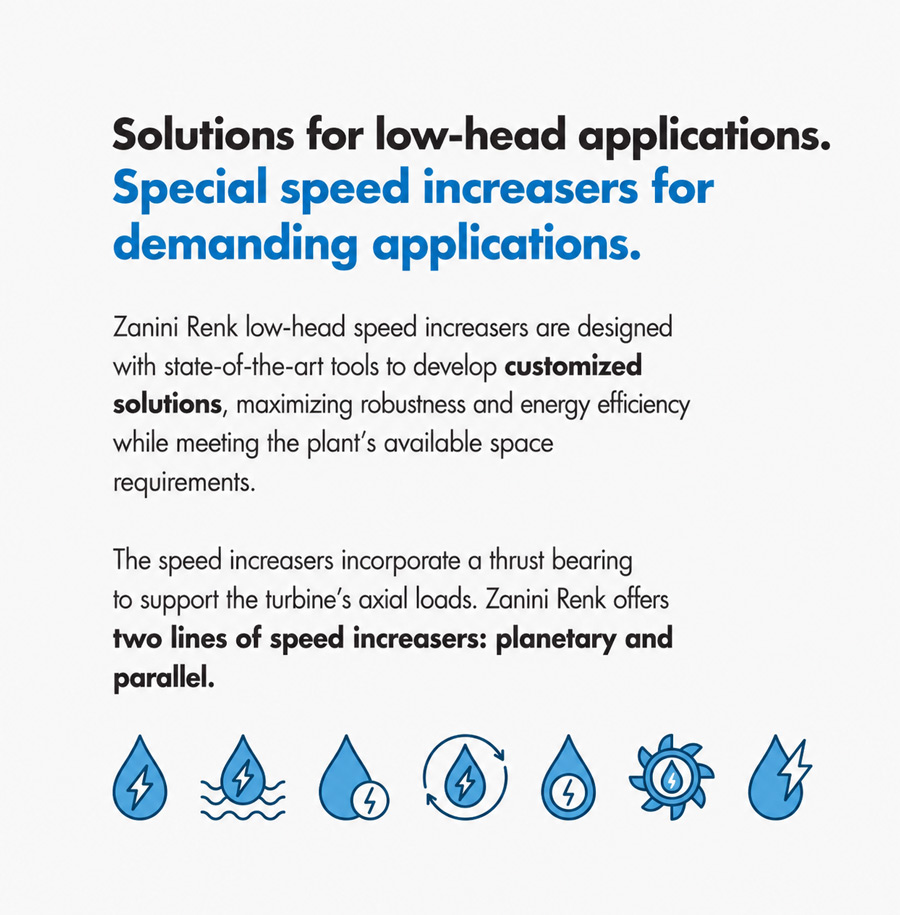
Our speed increasers are designed to optimize energy production even in low-head water conditions.
With Zanini Renk speed increasers, hydropower generators can operate at their higher nominal speed, which translates into greater efficiency and, consequently, higher energy production.
This efficiency drives the sustainability of the plant and offers a faster return on the initial investment, thanks to reduced project and installation costs.
Additionally, the careful selection of components and manufacturing excellence give Zanini Renk speed increasers an extremely low noise level, suitable for hydropower facilities where noise control is essential for environmental compliance and local community acceptance.
Contact us and transform energy generation through the excellence of Zanini Renk's hydropower engineering.