+1 (226) 337-9660

 English
Search

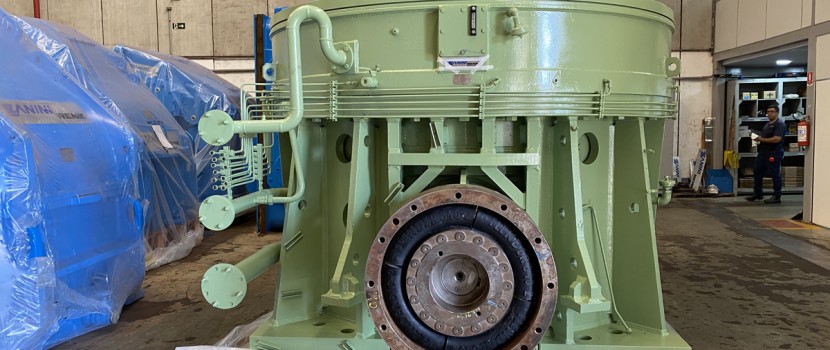
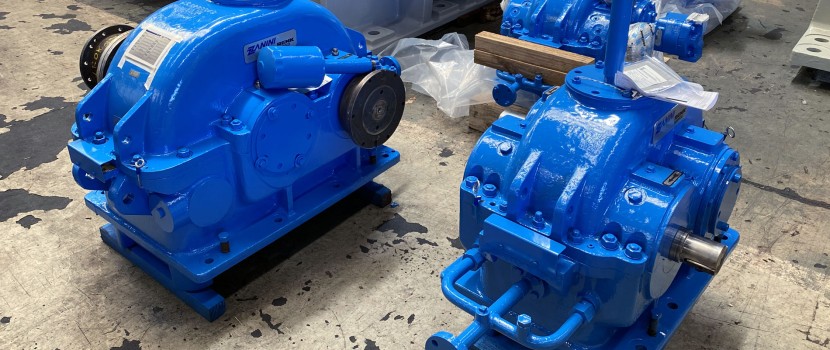
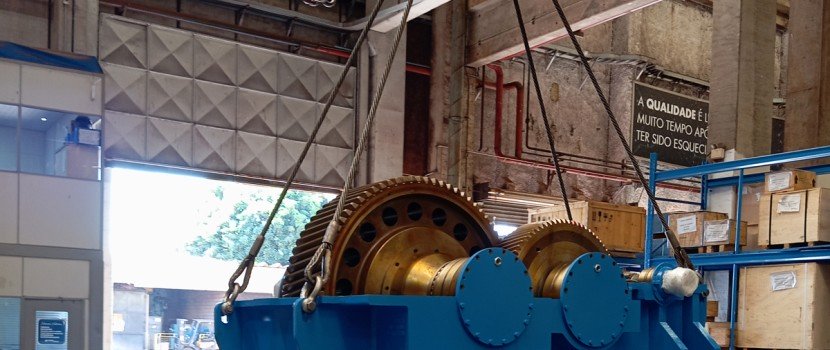
Capital goods are industrial machinery, equipment, and infrastructure used in the manufacturing of products intended for end consumers. These assets are essential for making human work more efficient and increasing the production capacity of factories.
One of the characteristics of capital goods is that they do not fully wear out during the production process, meaning they have a very long lifespan, functioning as durable industrial equipment.
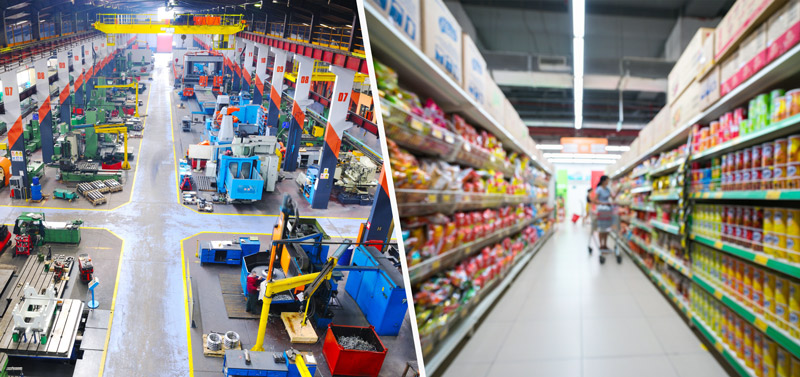
Consumer goods are products intended for direct use by the end consumer, and can be durable, such as furniture and cars, or non-durable, such as food and cleaning products. Capital goods, on the other hand, are the equipment and machines used to manufacture those consumer goods.
Capital goods are significant investments that directly impact the production capacity and manufacturing efficiency of industries.
Capital goods include production machinery and manufacturing equipment, industrial infrastructure such as factories and warehouses, software, and essential natural resources such as oil and gas.
Advanced materials are those we already know, such as metals, ceramics, and polymers, but which have undergone technological processes to exhibit superior performance. They offer greater durability, strength, and other characteristics that favor the creation of innovative, high-performance products.
Contributing to innovation and efficiency across multiple industrial sectors, these advanced engineering materials are the result of research in fields such as chemistry, physics, and materials engineering.
Some examples of the application of advanced materials in industry:
Advanced materials bring significant technological and economic advances to the capital goods industry due to their enhanced capabilities, promoting:
The use of advanced materials favors the emergence of new technologies, enabling lighter, more resistant, and more efficient products.
However, the challenges of using these materials include high production costs and manufacturing complexity, which require advanced technologies and may represent economic barriers for the industry.
Despite this, demand for these next-generation materials is expected to continue growing, which should drive research and the adoption of technologies such as industrial additive manufacturing at scale.
Sources:
Portal da Indústria. Entenda por que materiais avançados são importantes para a indústria.
Ministério da Ciência, Tecnologia e Inovações. Materiais avançados.
Máquinas e Metais. Instituto de materiais avançados entra em operação. ArandaNet.
Inovação Tecnológica. Titânio impresso em 3D supera em 50% as melhores ligas aeroespaciais.