+1 (226) 337-9660

 English
Search

Machining is a manufacturing process in which a workpiece is shaped through cutting. This process uses cutting tools that must be harder than the material of the workpiece, ensuring greater precision in shaping.
Machining can be applied to different materials such as metals, plastics, rubber, and paper products, making it a highly versatile process.
During machining, fragments of the workpiece break off as a result of the cutting process. These fragments are called chips. Depending on the material being shaped, the chips can be reused in other processes or manufacturing operations.
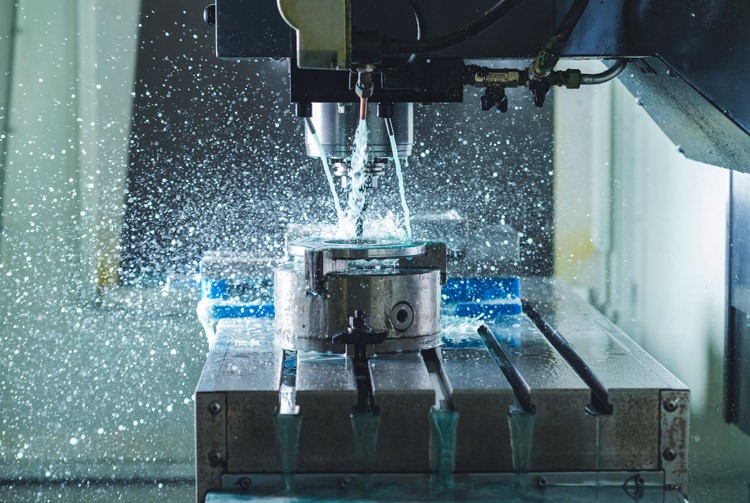
Machining is a mechanical manufacturing process whose function is to transform raw materials into componentes. Its main functions include:
This is an activity that has been part of human development since the creation of simple stone tools, evolving to become an essential activity for the technological progress we have today.
The machining process is as old as humanity itself, since humans have been using techniques to manufacture and shape their hunting and fishing tools since prehistoric times. These tools are the precursors of modern machining processes.
In the 17th century, with the introduction of steam-powered machines, the process was performed manually using machining equipment operated by skilled professionals.
As technology evolved, manual machining became even more precise, with improved efficiency, reduced human errors, and the ability to perform more complex operations.
The great evolution of machining, which transformed it from a manual to an automated process, came with the introduction of Numerical Control (NC) in the 1940s and 1950s. With the emergence of computers, this technology evolved into Computer Numerical Control (CNC).
This technology emerged to meet the industry's need to manufacture products more quickly. CNC enabled the automation of processes and the customization of designs according to the specific needs of each part. The precision of cuts made on CNC machines is far greater than on manual machines.
Conventional machining processes use mechanical energy to remove material. Common examples include:
These methods remain widely used in industrial manufacturing due to their reliability and cost-effectiveness.
Non-conventional machining uses advanced technologies and alternative energy sources to shape materials. Examples include:
These advanced machining technologies allow for higher precision and the ability to machine complex geometries and hard materials.
As technology evolves, non-conventional methods are becoming increasingly competitive, and in some cases more efficient than traditional processes.
The most common machining operations include:
Other important processes include:
Each process plays a specific role in producing high-quality machined components.
Precision machining involves using machines with advanced non-conventional machining technology to create components. This type of machining is focused on industries that require maximum precision in their equipment, such as the automotive, aerospace, and medical industries.
The introduction of CNC machines has revolutionized precision machining by enabling:
These capabilities ensure that components meet exact specifications required by advanced manufacturing systems.
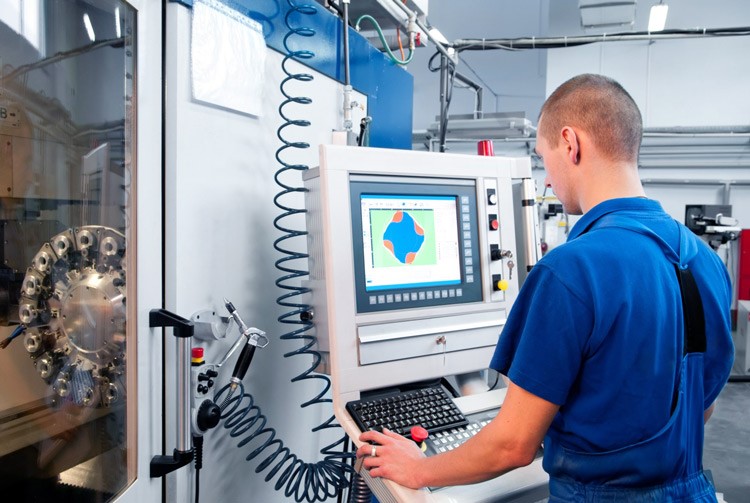
Conventional machining remains a highly reliable technique for working with parts made from various materials, while non-conventional machining represents the future of manufacturing.
Technology has great potential to make machining processes even more efficient, with reduced costs and the ability to handle an ever-wider range of materials with different properties.