+1 (226) 337-9660

 English
Search

Maintenance is one of the most important concepts in industry, encompassing everything from machine preservation to the management processes required to keep equipment running efficiently.
Over the years, maintenance has undergone significant transformations, shifting from the perspective of being a "necessary burden" to a strategic sector that contributes to gains and competitive advantages.
Maintenance procedures should not be performed only as a response to a stoppage or observed damage in a machine. Instead, they should be strategically planned to prevent such stoppages, maximizing the efficiency and productivity of operations.
Maintenance planning is a strategy to increase efficiency and productivity in industry. It refers to a document that establishes the activities related to equipment maintenance, with details such as time intervals and frequency.
The main objective is to increase the productive time of equipment while minimizing unplanned downtime and failures.
An effective maintenance plan goes beyond maintaining the original conditions of equipment. It should include continuous improvement activities focused on increasing productivity, whether through machine upgrades or simplifying operating procedures.
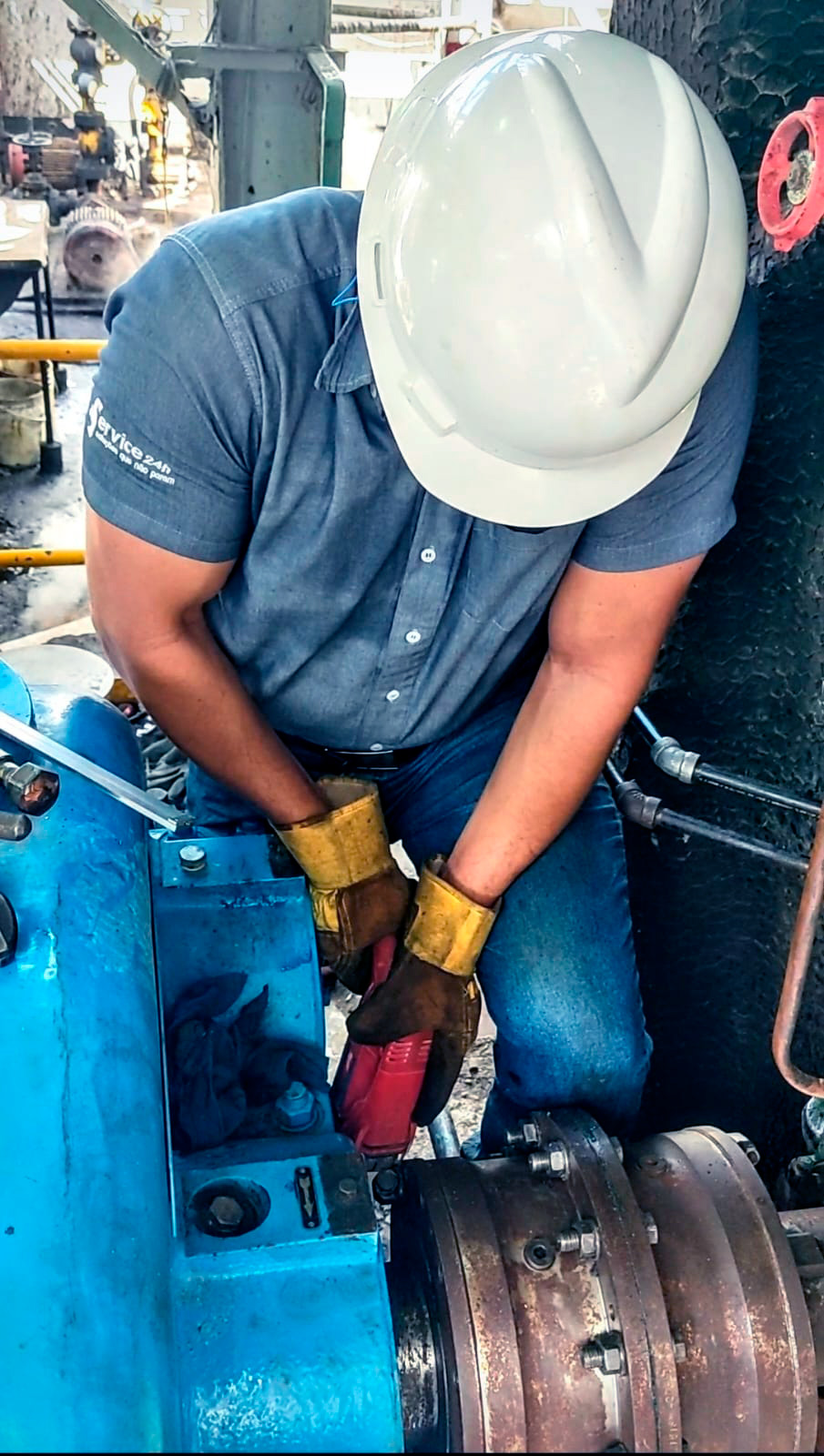
A good strategy offers several benefits for industries, such as preventing failures and interruptions in the production process, increasing equipment lifespan, improving operational efficiency, and greater safety in procedures. It is therefore a strategy that contributes to increased profits and return on investment, being relevant for challenging markets.
The types of maintenance refer to how we approach and understand interventions performed on machines. There are several ways to classify these actions, but here are the 3 basic types of maintenance plans:
The preventive maintenance plan involves activities performed at regular intervals, based on a schedule, to prevent failures. It is the main maintenance activity in industry. It is based on standard procedures and predefined routines. The purpose is to prevent failures before they occur.
Based on continuous observation of equipment condition, often using advanced technologies such as vibration analysis, thermography, and ultrasound. It uses this data to predict when a failure may occur, allowing just-in-time interventions.
This type of maintenance is performed after a failure or defect is identified. Its main focus is restoring the equipment to full operation. Costs can vary significantly and be higher due to the urgency and complexity of repairs.
To be effective, maintenance must ensure continuous equipment availability for operation and minimize the probability of unplanned production stoppages.
An effective maintenance plan should start with defining tasks such as:
This internal organization allows the company to plan its interventions, saving both time and resources.

Maintenance plans should be adaptable to the specific needs of each organization. They can be preventive in nature, focusing on avoiding failures before they happen, or predictive, using advanced technologies to predict failures before they occur.
The choice between preventive and predictive maintenance depends on the stage of maintenance development in the organization, as well as the type, need, and relevance of the activities involved.
How do you know if your maintenance plan is working? These indicators are essential metrics that help monitor and evaluate the effectiveness of maintenance activities in an industrial facility.
They are fundamental for maintenance planning, providing valuable insights into equipment health and the efficiency of maintenance operations.
Efficient maintenance is fundamental for ensuring the operability and longevity of equipment in any industrial sector. To achieve this goal, there are key steps that must be rigorously followed:
This stage involves systematic inspections and performance monitoring to identify potential problems and prevent unexpected failures. Through these evaluations, it is possible to identify failure patterns and ensure equipment is operating within expected standards, which is crucial for extending asset lifespan and optimizing operational efficiency.
Developing a detailed schedule for preventive, predictive, and corrective maintenance is essential. This schedule must be carefully planned to ensure maintenance is performed at the right time, minimizing interference with daily operations and distributing the maintenance team's workload in a balanced way.
Effective scheduling allows tasks to be prioritized based on equipment criticality and maintenance urgency, ensuring resources are allocated intelligently and efficiently.
It is essential to maintain detailed records and conduct in-depth analysis of all data collected during maintenance activities.
This comprehensive documentation and data analysis provide a clear view of equipment maintenance history, helping to identify patterns, evaluate the effectiveness of interventions, and identify areas needing improvement. This process facilitates informed decision-making and is a fundamental pillar for continuous improvement in the maintenance process.
Ensuring the maintenance team receives continuous training in best practices, new technologies, and safety procedures is essential for keeping the team up to date, increasing its efficiency and effectiveness, and ensuring workplace safety.
Being able to rely on maintenance management software to automate processes and facilitate communication between different departments provides a holistic view of operations, improves communication and coordination between areas, and facilitates resource management and maintenance scheduling.
Contact Zanini Renk, we have the ideal equipment for your industry.