+1 (226) 337-9660

 English
Search

Industry 4.0, also known as the Fourth Industrial Revolution, is the integration of advanced digital technologies, such as the Internet of Things (IoT) and Artificial Intelligence (AI), into production processes. This revolution goes beyond the use of machines, creating connected and intelligent ecosystems where industrial equipment has internet access and interacts in real time.
One of its main characteristics is the ability of machines to process data, make decisions, and solve problems autonomously. This results in more efficient, flexible, and productive factories, enabling greater customization and production optimization.
The concept of Industry 4.0 emerged in the first decade of the 21st century and was officially introduced in Germany in 2011. The term was created to describe a strategy for modernizing German manufacturing.
The main goal was to digitize production processes, allowing factories to become more efficient, connected, and adaptive, surpassing traditional automation. This approach aimed to increase industrial competitiveness and strengthen the country's exports of smart solutions.
The Fourth Industrial Revolution arose from the need to increase factory efficiency and meet changing market demands. With the growing interest in highly customized products, industries needed to make their production processes more flexible. Industry 4.0 meets this demand by integrating technologies and connectivity into equipment, enabling faster and more efficient adaptation to consumer needs.
Advances in areas such as Artificial Intelligence (AI), robotics, Internet of Things (IoT), augmented reality, cloud computing, advanced robotics, Big Data, and other advanced technologies were the main drivers that took industrial production to a new level.
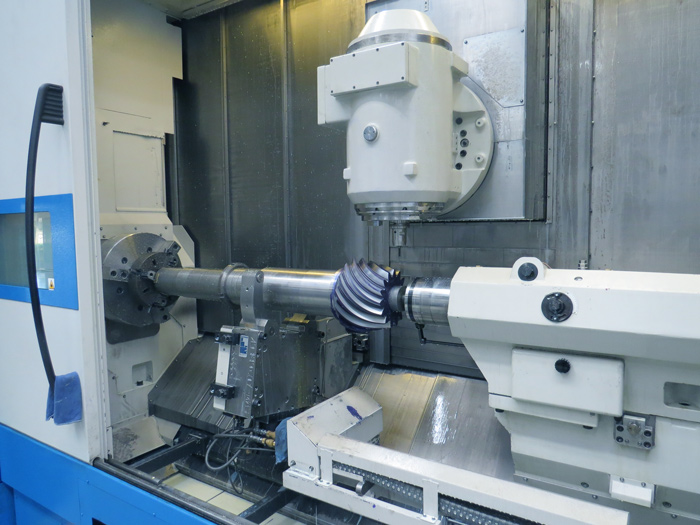
The pillars of Industry 4.0 are the technologies and innovations that underpin and enable this industrial transformation. Each pillar represents a specific technological area that contributes to creating a more intelligent, integrated, and efficient production environment.
These are the 10 pillars of Industry 4.0:
Industry 4.0 technologies have been revolutionizing the industrial sector, bringing important advances in terms of efficiency, precision, and productivity. Here are some of the impacts of this modernization:
Industry 4.0 is transforming the way we live, work, and consume by creating new business models and modernizing production processes.
Startups and small companies gain more market space, competing with major players through innovation and flexibility.
The rapid adaptation of production processes, made possible by these technologies, allows industries to respond with agility to market demands. This results in higher-quality products that better meet the needs of modern consumers.
The integration of smart systems optimizes resource use, reducing waste and promoting more sustainable practices. This balance between productivity and environmental responsibility strengthens the competitiveness of industries on the global stage.
These advances show that Industry 4.0 is also redefining economic and social dynamics, strengthening companies of all sizes and creating a more connected and efficient future.
While Industry 4.0 is centered on automation and connectivity between machines, Industry 5.0 expands this concept by integrating the human factor, harmonizing machines and people.
In Industry 5.0, the idea is to integrate human work into the digitalized environment in order to combine the precision of technologies with human skills such as creativity and critical thinking.
The goal is to add even more value to production, developing increasingly customized products that precisely meet the needs of each client.
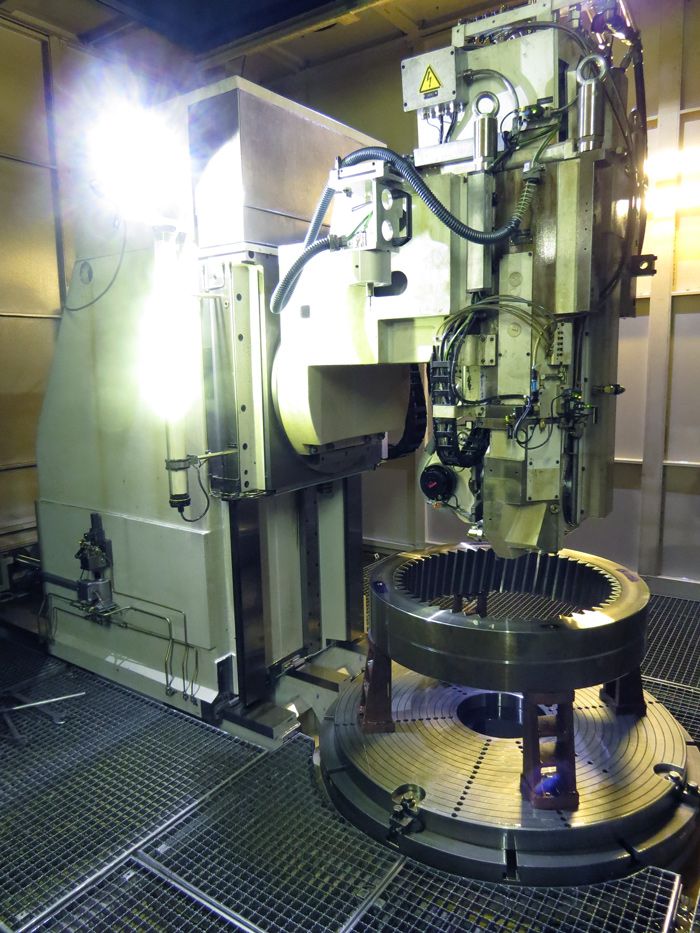
At Zanini Renk, we have been leading the industrial transformation since 2018 with the adoption of Industry 4.0 technologies to automate and modernize our production processes. This initiative positions us as a reference in the speed reducer and industrial equipment sector, highlighting our ability to anticipate trends and our commitment to innovation, efficiency, and productivity.
We integrate technologies such as IoT, advanced automation, and real-time data analytics to optimize operations and deliver solutions that meet our clients' demands. This proactive approach reinforces our leadership position in the sector and contributes to the advancement of Industry 4.0 in Brazil.
Our commitment to excellence translates into innovative solutions that increase competitiveness and quality standards in the industry.
Contact our team and learn about our solutions in speed reducers and other industrial equipment.